Nasolabial Folds Reduction: Causes and Treatment Options for Smile Lines
What Are Nasolabial Folds?
Nasolabial folds, commonly known as smile lines or laugh lines, are the creases that run from both sides of the nose down to the corners of the mouth. These folds are a normal part of facial anatomy and become more visible when a person smiles, laughs, or speaks.
In youth, smile lines may appear only during facial expression and fade when the face is relaxed. Over time, however, they may become deeper and more permanent due to skin aging, collagen loss, facial volume changes, and gravity. For some patients, deep nasolabial folds can make the face look tired, older, or less refreshed, even when they feel healthy and energetic.
At Viet My Plastic Surgery Hospital, treatment for nasolabial folds is planned based on each patient’s facial structure, skin condition, degree of aging, and aesthetic goals.
What Causes Nasolabial Folds?
Nasolabial folds usually develop from a combination of several factors rather than one single cause.
1. Natural Aging
As the skin ages, it gradually loses collagen and elastin. These proteins help maintain firmness, elasticity, and skin support. When collagen and elastin decrease, the skin becomes thinner and less able to resist creasing.
2. Facial Volume Loss
The cheeks and midface naturally lose volume with age. As facial fat shifts downward, the skin and soft tissues around the nose and mouth may fold more deeply, making smile lines more noticeable.
3. Repeated Facial Expressions
Smiling, laughing, talking, and other facial movements repeatedly fold the skin in the same area. Over many years, these dynamic creases may become static lines that remain visible even when the face is at rest.
4. Sun Exposure and Smoking
UV rays and smoking can accelerate collagen breakdown. Patients who often expose their skin to the sun without protection, or who smoke, may notice deeper smile lines earlier.
5. Weight Changes
Significant weight loss may reduce facial fullness and create loose skin, while weight gain can increase cheek volume and make the folds more pronounced. Both situations can contribute to deeper nasolabial folds.
Non-Surgical Treatments for Nasolabial Folds
For mild to moderate nasolabial folds, non-surgical treatments may help soften the appearance of smile lines with little downtime.
1. Dermal Fillers
Dermal fillers are one of the most common treatments for nasolabial folds. Fillers are injected beneath the skin to restore lost volume, support the fold, and create a smoother transition between the cheek and mouth area.
Hyaluronic Acid (HA) fillers are commonly used because they help attract moisture and add temporary volume. Depending on the product used, patient metabolism, and treatment area, results may only last for 12 to 18 months.
Advantages: Simple to implement, non-surgical treatment which is suitable for cases with mild to moderate nasolabial folds.
Disadvantages: Since fillers only last for 12 to 18 months, patients need to spend money for re-injection.
2. Skin-Tightening Treatments with Ultherapy Prime and Thermage
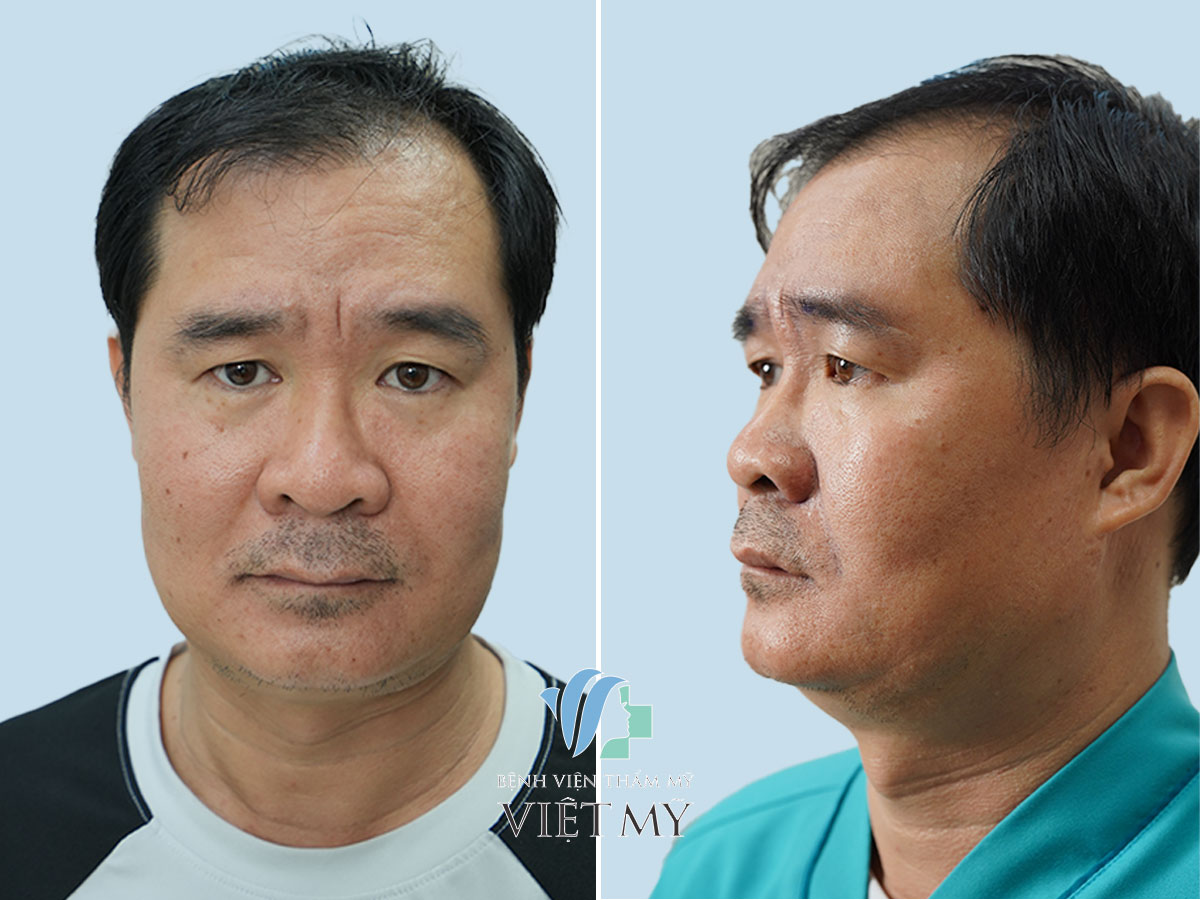
How did Pham Khanh Hung feel about his experience with Ultherapy Prime?
Radiofrequency (Ultherapy Prime) and ultrasound (Thermage), and other energy-based treatments may help stimulate collagen production and improve skin firmness. These treatments may be suitable for patients with mild laxity or early aging changes.
Skin-tightening procedures are often used as part of a combination plan rather than as a standalone solution for deep nasolabial folds.
Surgical Treatments for Nasolabial Folds
1. Autologous Fat Transfer for Smile Lines
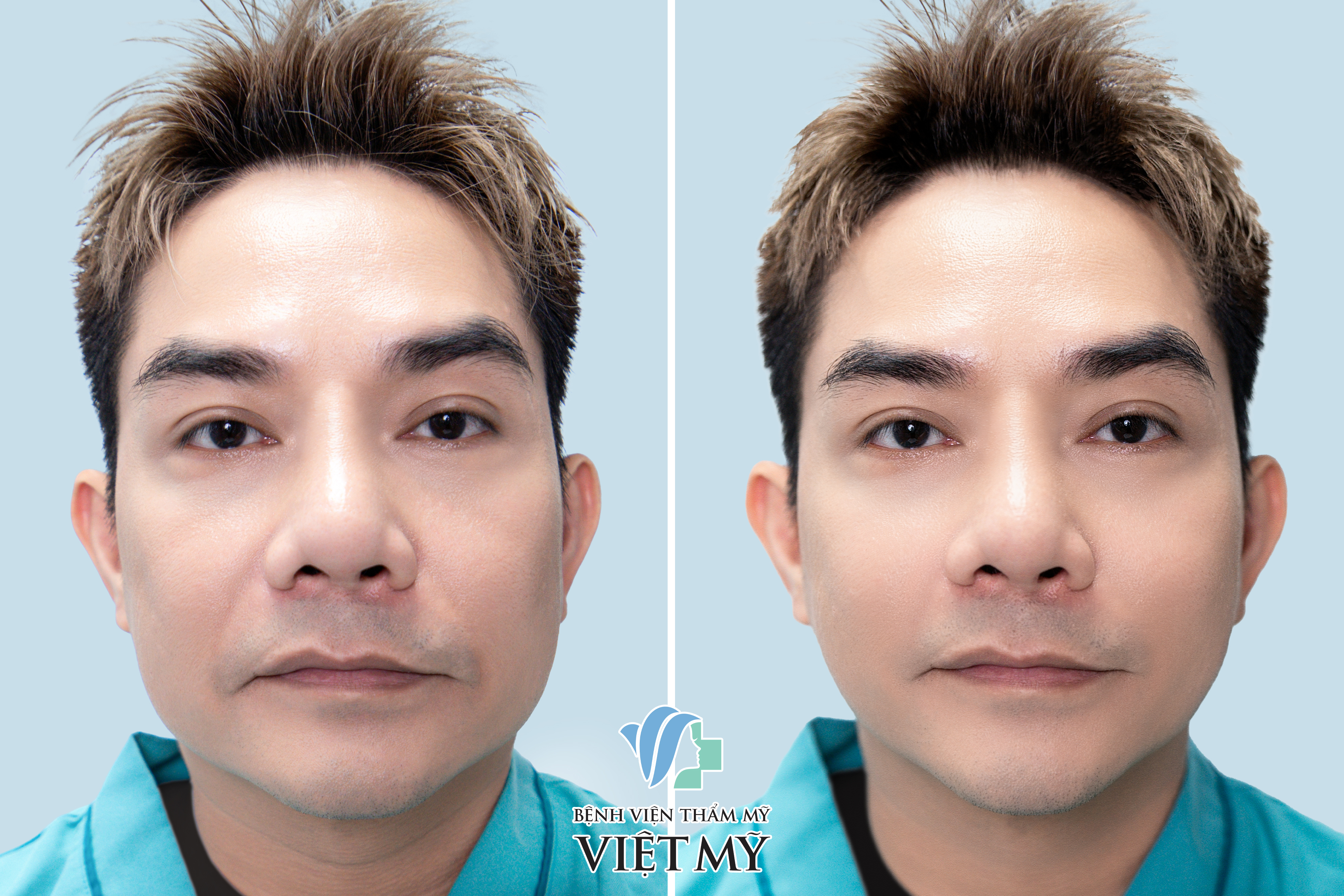
Before and after photos of a client who had nasolabial folds and temple areas filled with autologous fat.
Autologous fat transfer, also called facial fat grafting, is a technique that uses the patient’s own fat to restore facial volume. In this procedure, fat is usually harvested from areas such as the abdomen, flanks, or thighs using liposuction. The fat is then processed and carefully injected into areas that need volume support.
For nasolabial folds, fat transfer may help soften deep smile lines by restoring volume to the midface, cheek area, or the fold itself. Because the material comes from the patient’s own body, it can provide a natural feel and may be preferred by patients who want an alternative to synthetic fillers.
Advantages: Autologous fat transfer uses the patient’s own fat, the surviving fat cells can remain permanently (depending on individual physiology). As a result, revision surgery may not be required.
Disadvantages: Patients will need to undergo the fat harvesting process and then carefully grafting it into the nasolabial folds.
2. Nasolabial Fold Augmentation with Silicone or Surgiform Implants
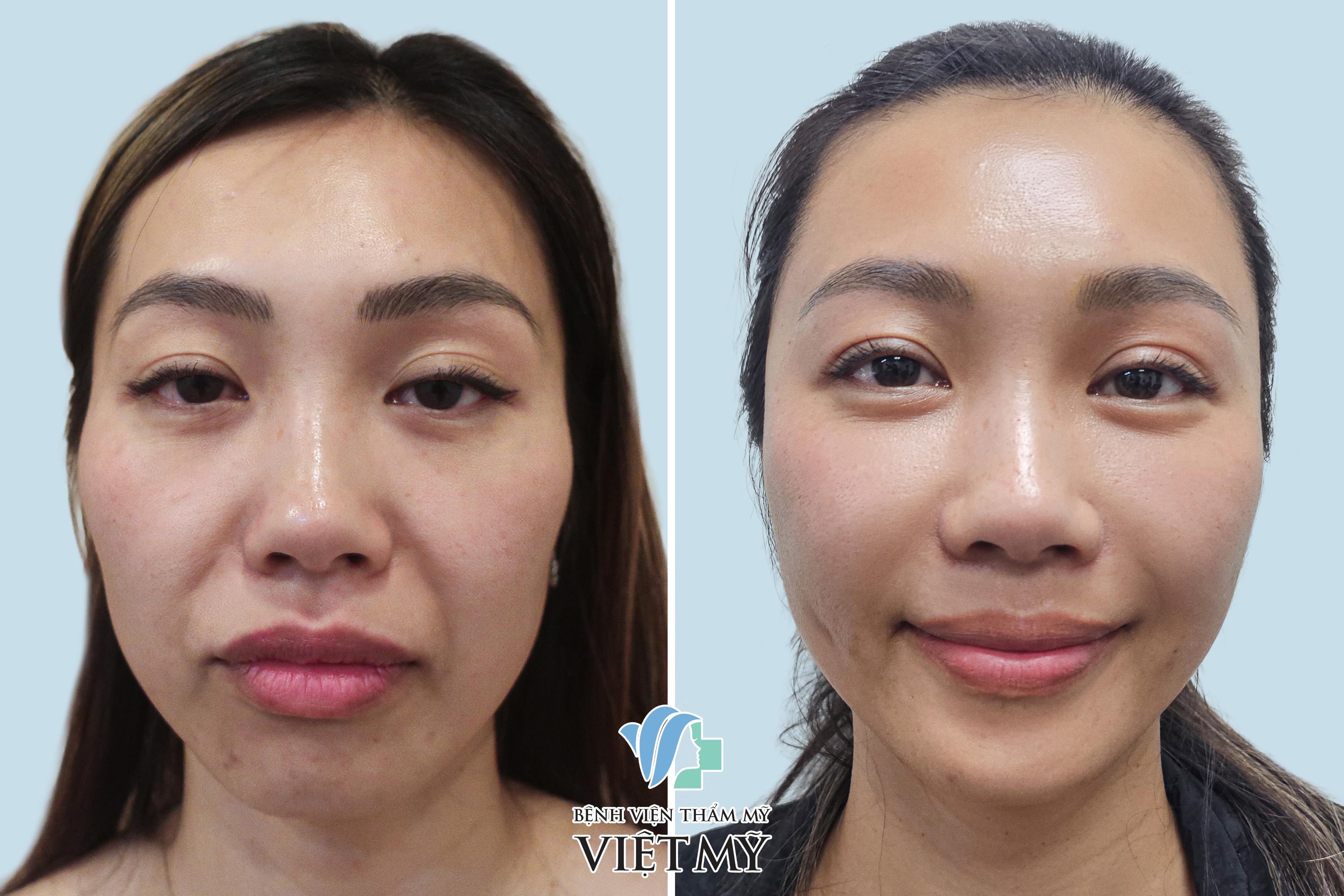
Nasolabial fold augmentation using implant materials is a method that uses specialized medical-grade materials such as silicone or Surgiform to support depressed soft tissue areas. This helps fill the nasolabial folds and improve the transition between the cheeks, nasal alar area, and corners of the mouth. This method may be considered in cases of deep nasolabial folds, insufficient soft tissue support, or when the client wants longer-lasting results compared with some temporary filler treatments.
Before indicating the procedure, the doctor will assess the depth of the folds, soft tissue thickness, skin condition, degree of cheek sagging, and overall facial proportions to create a natural and harmonious appearance in the midface and perioral area.
The procedure:
Step 1: The doctor will administer local anesthesia around the nasal alar area or the upper oral cavity.
Step 2: The doctor will measure, mark, and evaluate the area to select an implant with a suitable shape and size for each individual. Through an incision at the base of the nasal ala or inside the oral cavity, the implant material will be inserted into the nasolabial fold pocket that has been carefully dissected by the doctor.
Advantages: Long-lasting results, with aesthetic improvement that may last from 10 to 20 years (depending on each person’s physiology).
Disadvantages: This is a surgical procedure that requires a high level of precision. Clients should have it performed at a specialized medical facility by an experienced doctor.
3. Facelift Method
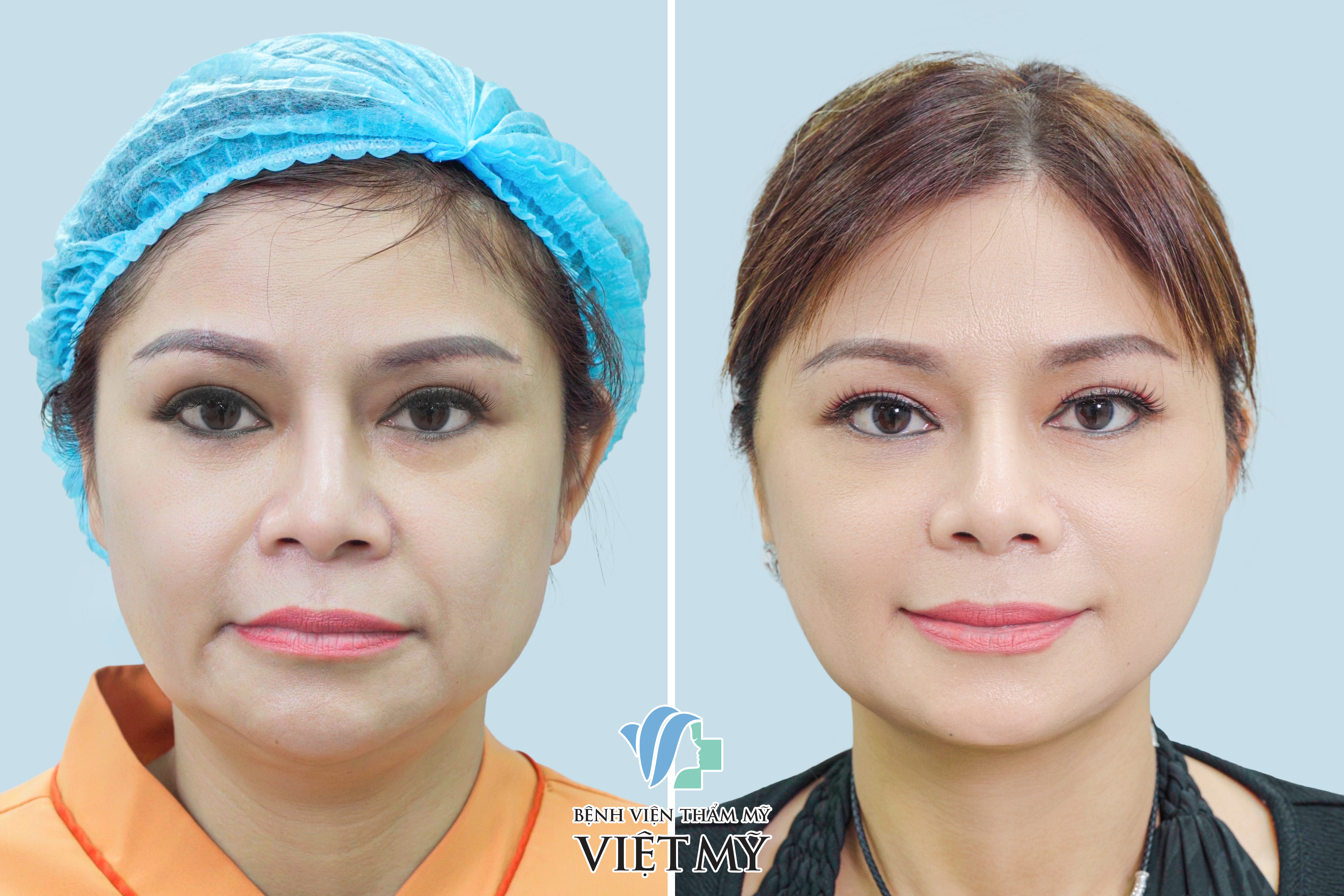
A facelift can help reposition sagging facial tissues, improve jowls, tighten loose skin, and reduce the heaviness that can make nasolabial folds appear deeper. This method is often suitable for clients who not only have deep smile lines but also experience sagging cheeks, a poorly defined jawline, and signs of lower-face aging.
Therefore, in cases where deep nasolabial folds are mainly caused by age-related facial sagging, a facelift is often the primary approach to improve this condition. Volume restoration for nasolabial folds caused by fat loss due to aging is usually considered a supportive method and is often combined with a facelift to achieve more optimal results.
A client in her 40s underwent rejuvenation combo at Viet My Plastic Surgery Hospital
Nasolabial Folds Treatment at Viet My Plastic Surgery Hospital
At Viet My Plastic Surgery Hospital, patients are directly examined and advised by experienced doctors to determine the most suitable treatment for nasolabial folds and smile lines. Under the professional direction of our team of doctors, treatment planning focuses on facial harmony, natural-looking results, and patient safety.
Depending on each case, the doctor may recommend filler, autologous fat transfer, skin-tightening treatments (Ultherapy, Thermage,...), facelift surgery, or a combination method for the best optimized results.
Contact Viet My Plastic Surgery Hospital for a detailed consultation and recommend the most suitable facial rejuvenation solution for your needs.
Can Nasolabial Folds Be Prevented?
Nasolabial folds cannot be completely prevented because aging and facial expression are natural. However, patients can slow their progression and help maintain better skin quality with healthy habits.
Recommended prevention strategies include:
Applying broad-spectrum sunscreen daily
Avoiding smoking
Maintaining stable body weight
Drinking enough water
Eating a balanced diet rich in antioxidants
Getting adequate sleep
Using gentle cleanser and moisturizer
Avoiding skincare products that sting or irritate unless prescribed
Treating early signs of aging before folds become deeply etched
A good skincare routine cannot erase deep smile lines, but it can support skin hydration, improve texture, and help delay visible aging.
* The result achieved also depends on each individual’s physiology.