Autologous fat grafting is an advanced cosmetic procedure that uses fat harvested from your own body to restore lost volume and improve aesthetic concerns of both the face and body caused by aging, genetics, or trauma.
The procedure involves two main stages:
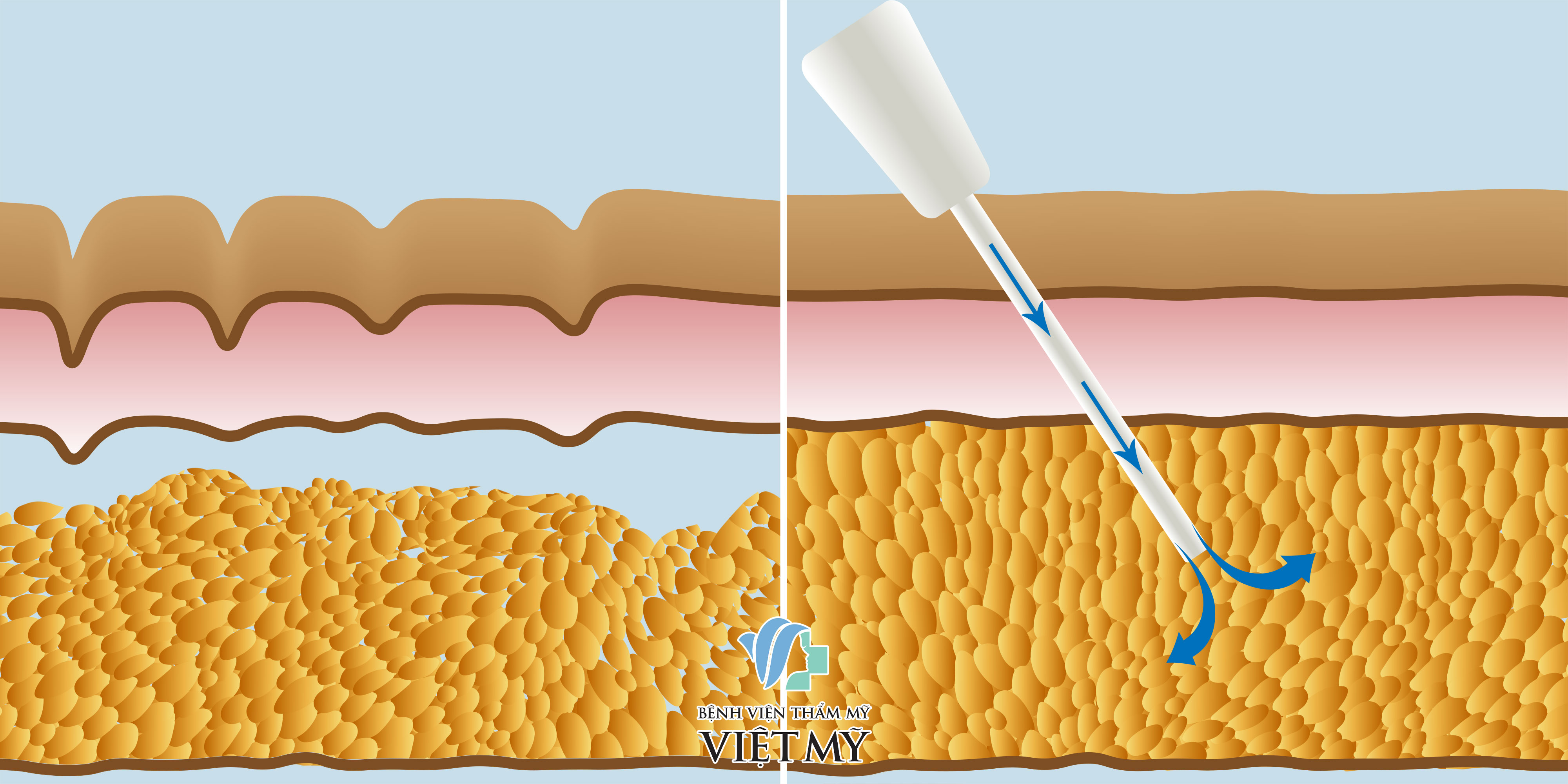
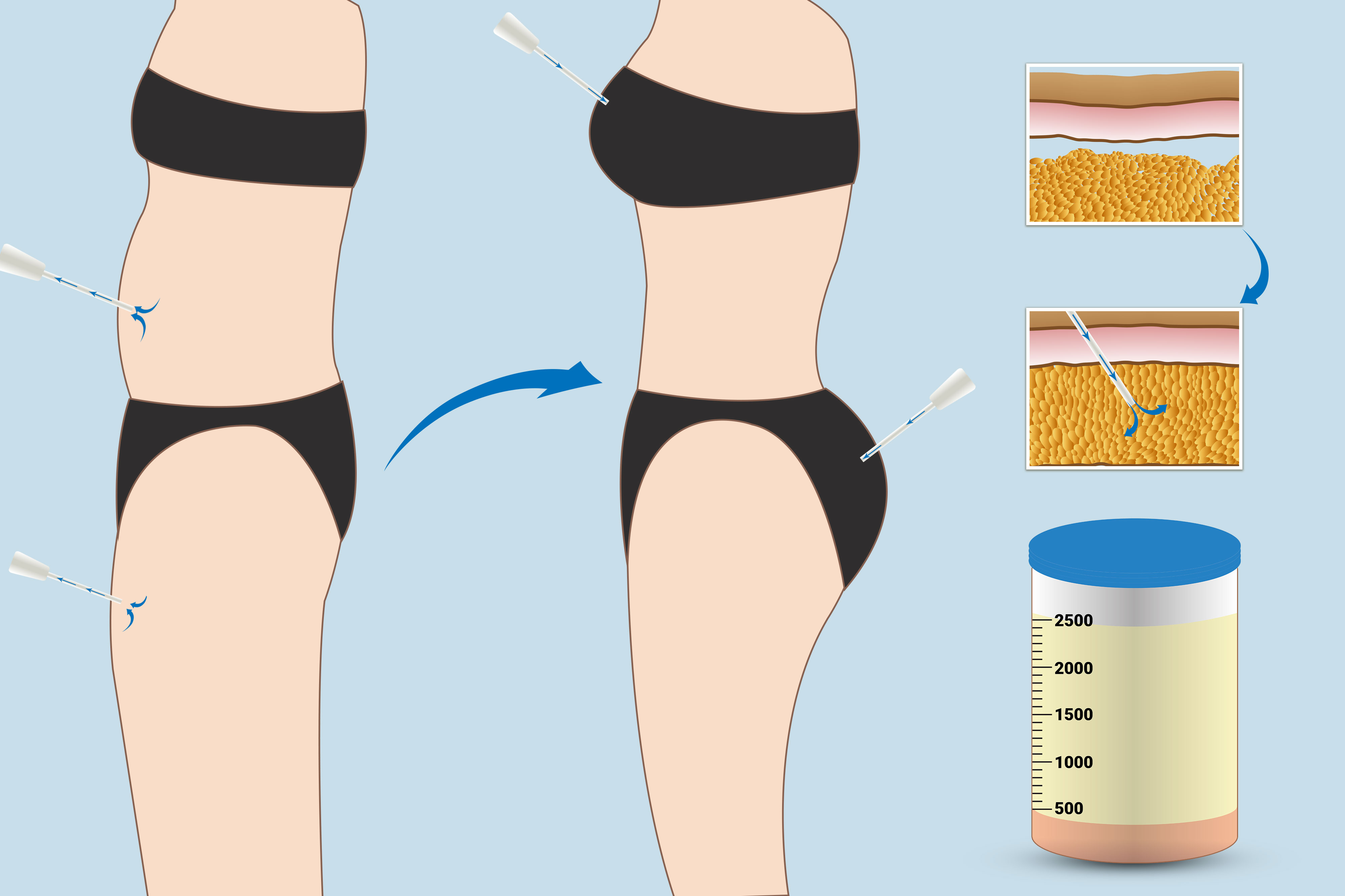
Fat harvesting from donor areas such as the abdomen, thighs, or buttocks;
Purification and reinjection into targeted areas
Since it uses the patient’s own tissue, fat grafting is considered an ideal natural filler, offering high biocompatibility with minimal risk of rejection or allergic reactions.
This technique can be applied for multiple treatments:
Facial rejuvenation
Breast augmentation
Buttock enhancement
Body contour correction
Autologous fat grafting helps fill volume, smooths skin, and reduces wrinkles
II. Benefits of Autologous Fat Grafting
Fat grafting surgery restores volume, fullness, and smoothness in areas affected by volume loss or inefficient contour.
For facial rejuvenation: This technique restores volume to temples, forehead, cheeks , eye sockets, tear trough and chin while also reducing wrinkles and fine lines, improving skin laxity, and enhancing facial rejuvenation results.
For body contouring: Fat grafting helps contouring the body in areas such as the burst and hips, improving and creating balanced, natural curves, and contributing to a more lively and youthful appearance.
Illustration of body contouring with fat transfer
III. Indications of Autologous Fat Grafting
Fat grafting provides significant aesthetic improvement. The following individuals are typically suitable for the best optimal results:
1. For facial fat grafting:
- Forehead & temples: Wrinkles, hollow areas
- Cheeks: Flat, sunken, or gaunt appearance (can be combined with a midface lift for comprehensive rejuvenation)
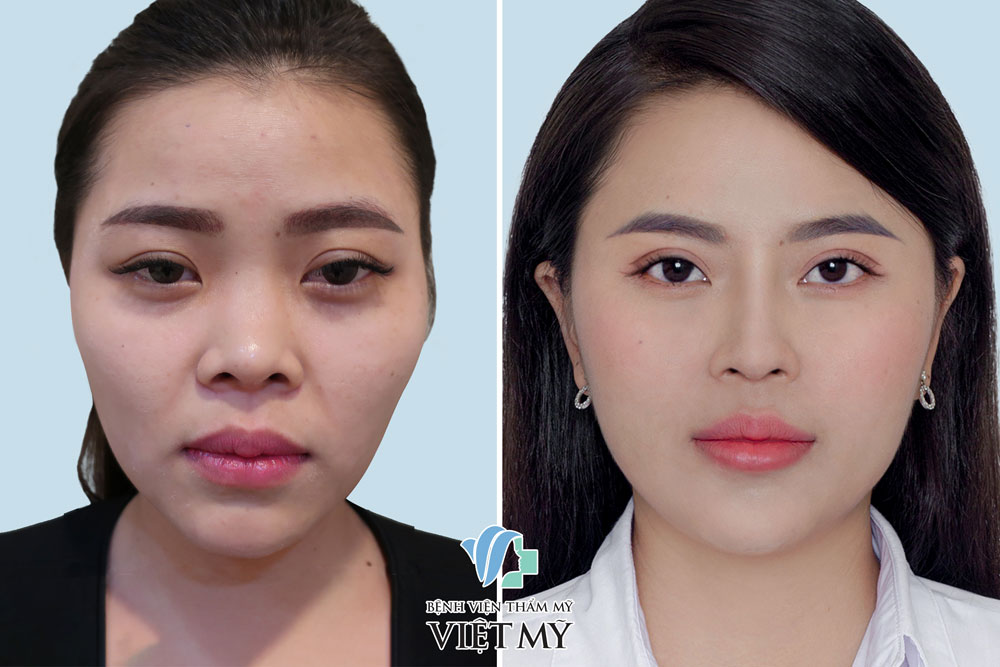
The client's face appears more youthful after undergoing check and temple fat grafting
Client after undergoing check and temple fat grafting
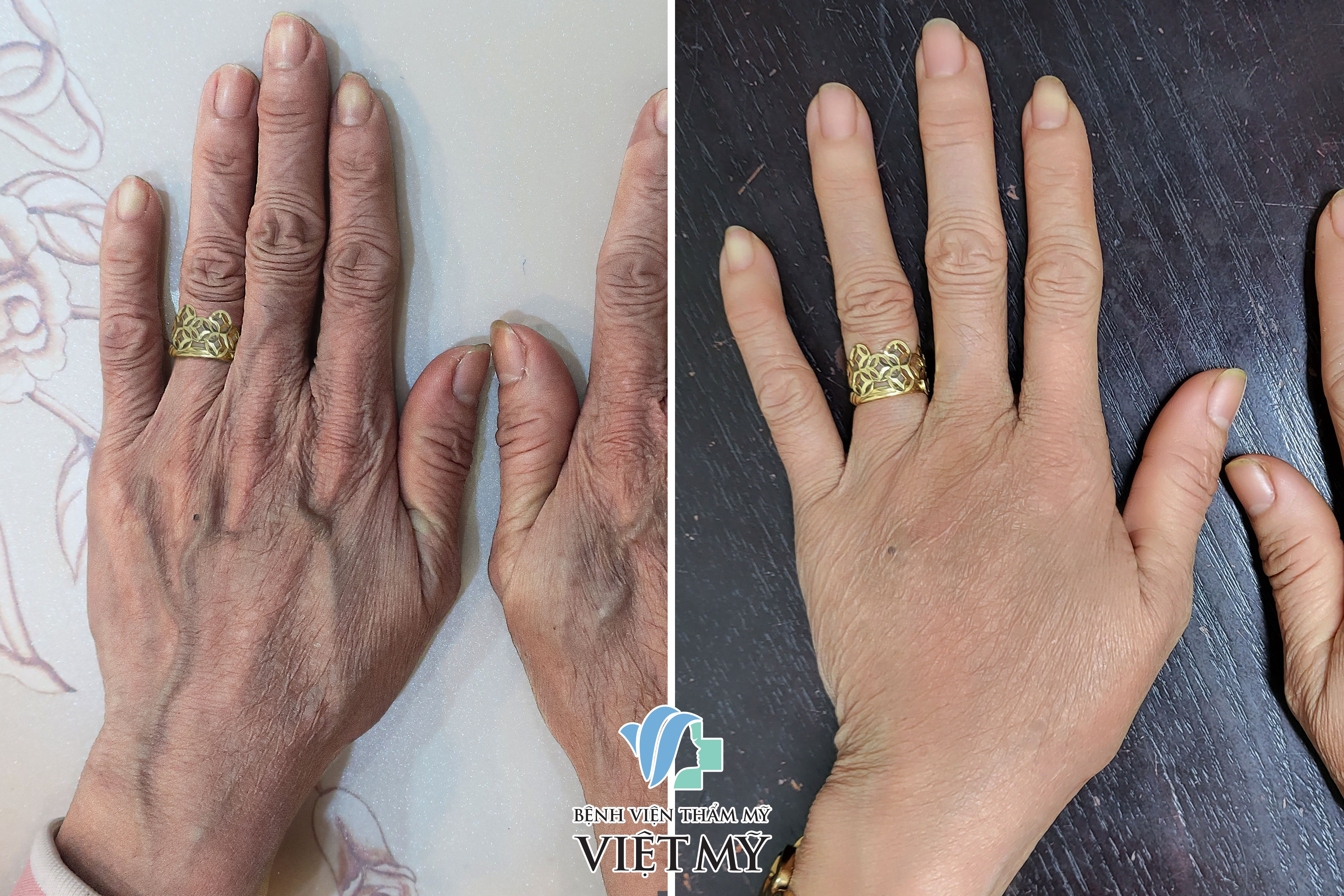
Patient before and after undergoing hand rejuvenation with fat grafting
- Breasts & buttocks: Small volume, lack of projection, resulting in a flat appearance.
Client before and after undergoing breast augmentation with fat grafting
Client before and after undergoing Fat Transfer Buttock Augmentation
- Other areas: Volume imbalance requiring contour correction.
3. Contraindications:
Like other aesthetic procedures, fat grafting is not suitable for all patients. The following cases require caution or postponement:
Chronic conditions such as diabetes, coagulation disorders, or immunodeficiency
Active infection at the treatment site
Individuals who should avoid surgery, such as pregnant women
IV. The Procedure of Autologous Fat Grafting
Autologous fat grafting consists of four main stages: 1. Treatment planning, 2. Fat harvesting, 3. Fat purification, and 4. fat injection. Each stage requires advanced techniques, modern equipment, and an experienced and certified doctor.
Fat harvested from abdomen or thighs for facial rejuvenation
1. Treatment planning and pre-operative preparation
The doctor performs a comprehensive evaluation, including clinical examination, medical history review, and laboratory testing. Based on the client’s aesthetic goals and health condition, the doctor will also advise on any necessary lifestyle adjustments for the most optimal surgical outcome.
Since fat grafting is often combined with liposuction from donor areas (inner thighs, lower abdomen, back), careful planning is essential to ensure optimal aesthetic outcomes for both donor and recipient sites.
Facial Fat Grafting:
- Patients with low body fat: require careful harvesting to avoid contour irregularities at donor sites.
Body contouring fat grafting:
- Available sufficient fat: The procedure can proceed immediately, combining with liposuction for comprehensive results.
- Insufficient fat: The procedure may be postponed, and controlled weight gain may be recommended.
Recipient site capacity:
The doctor determines the safe volume of fat for each area based on:
- Skin elasticity and tissue characteristics
- Adequate blood supply to support fat survival and long-term results
2. Fat Harvesting
Review top 4 most advanced liposuction technologies deployed at Viet My Plastic Surgery Hospital
The doctor selects an appropriate liposuction method based on the required fat volume, patient condition, and available technology. Since liposuction techniques differ in their mechanisms of fat tissue disruption and in the quality of the harvested fat, the aesthetic outcome of the donor area depends largely on the doctor’s skill and the equipment used.
Liposuction process:
After general anesthesia, the liposuction process includes 2 phases:
- Liquefaction/Fat disruption: Specialized technology is used to gently break down fat cells.
- Fat extraction: Collected fat is processed using a cannula system.
Liposuction technologies at Viet My Plastic Surgery Hospital:
With fat-disruption technologies such as MicroAire, BodyJet, and Lysonix, the fat is aspirated directly through a vacuum system attached to the cannula. With Liposonix technology, the fat is liquefied in situ, and the doctor then harvests it through a small opening in the treatment area.
3. Fat purification and selection
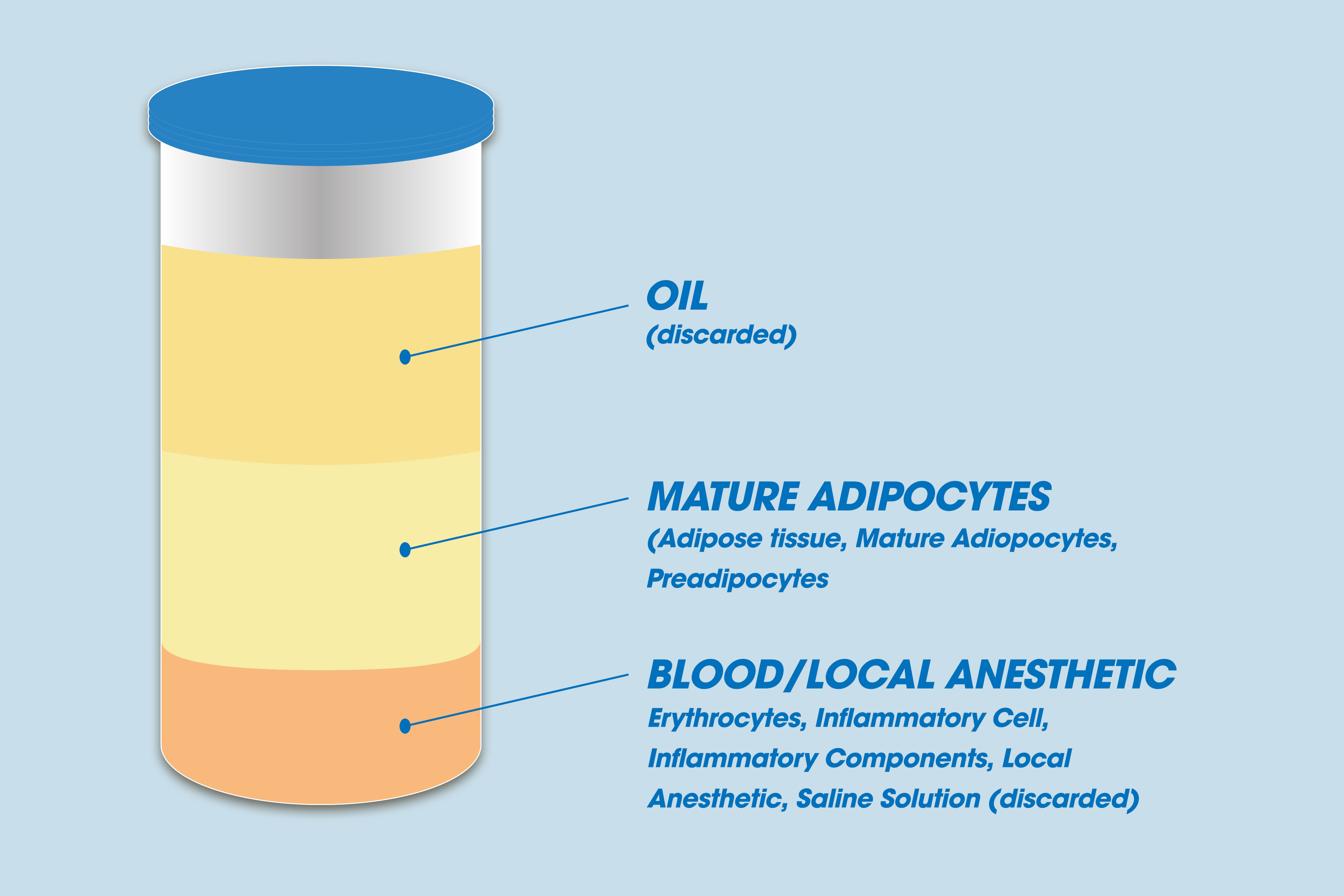
The harvested material contains not only viable fat cells but also fluids and impurities that must be removed. The purification process isolates high-quality fat cells suitable for transplantation.
Fat solution after successful stratification
4. Fat Injection
Purified fat is loaded into syringes or specialized injection devices, depending on the treatment area. Injection techniques differ between facial and body applications in terms of depth, volume, and distribution.
To ensure even distribution, natural contours, and optimal survival rate of the fat cells, the doctor must have a thorough understanding of anatomy, vascular supply, and precise layering techniques. This stage is critical to the final aesthetic outcome and requires a high level of expertise and clinical experience.
In some cases, PRP (Platelet-Rich Plasma) or PRF (Platelet-Rich Fibrin) may be combined to enhance fat survival and improve skin quality.
V. Post-Operative Care and Recovery
To achieve optimal results, patients must follow medical instructions regarding diet, lifestyle, and follow-up visits.
Immediately after the procedure:
Mild swelling and bruising may occur, and typically subside within a few days and resolve within 4-6 weeks.
Compression garments are used to stabilize the grafted fat and support neovascularization
Patients may apply cool compresses during the first 48 hours to reduce swelling and discomfort. Note that extreme cold may affect fat survival.
Patients should wait 6–12 months for the initial graft to stabilize before undergoing another procedure.
* The result achieved also depends on each individual's physiology