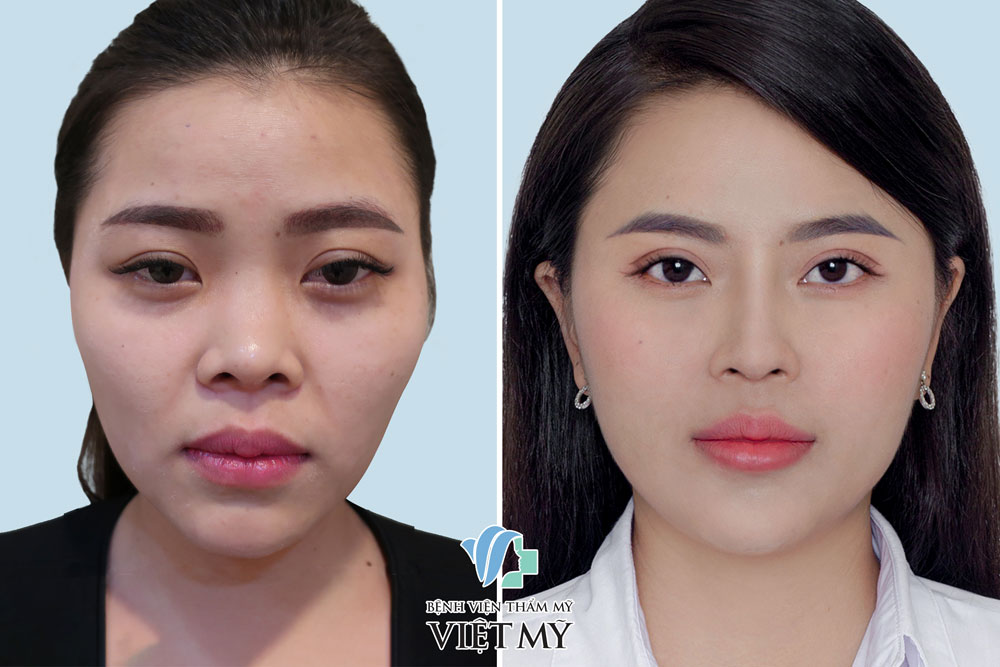
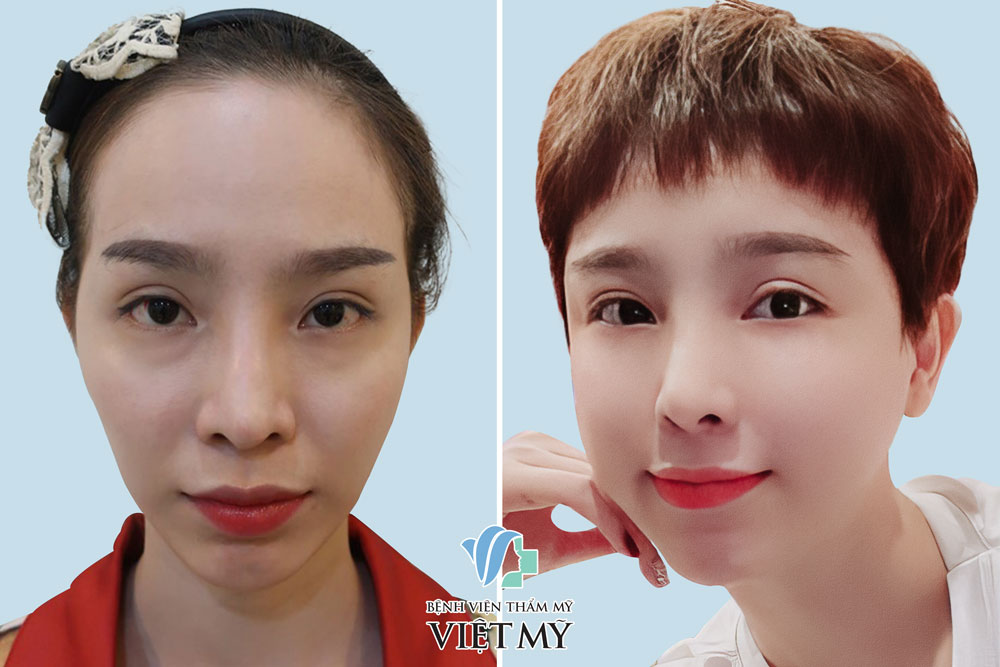
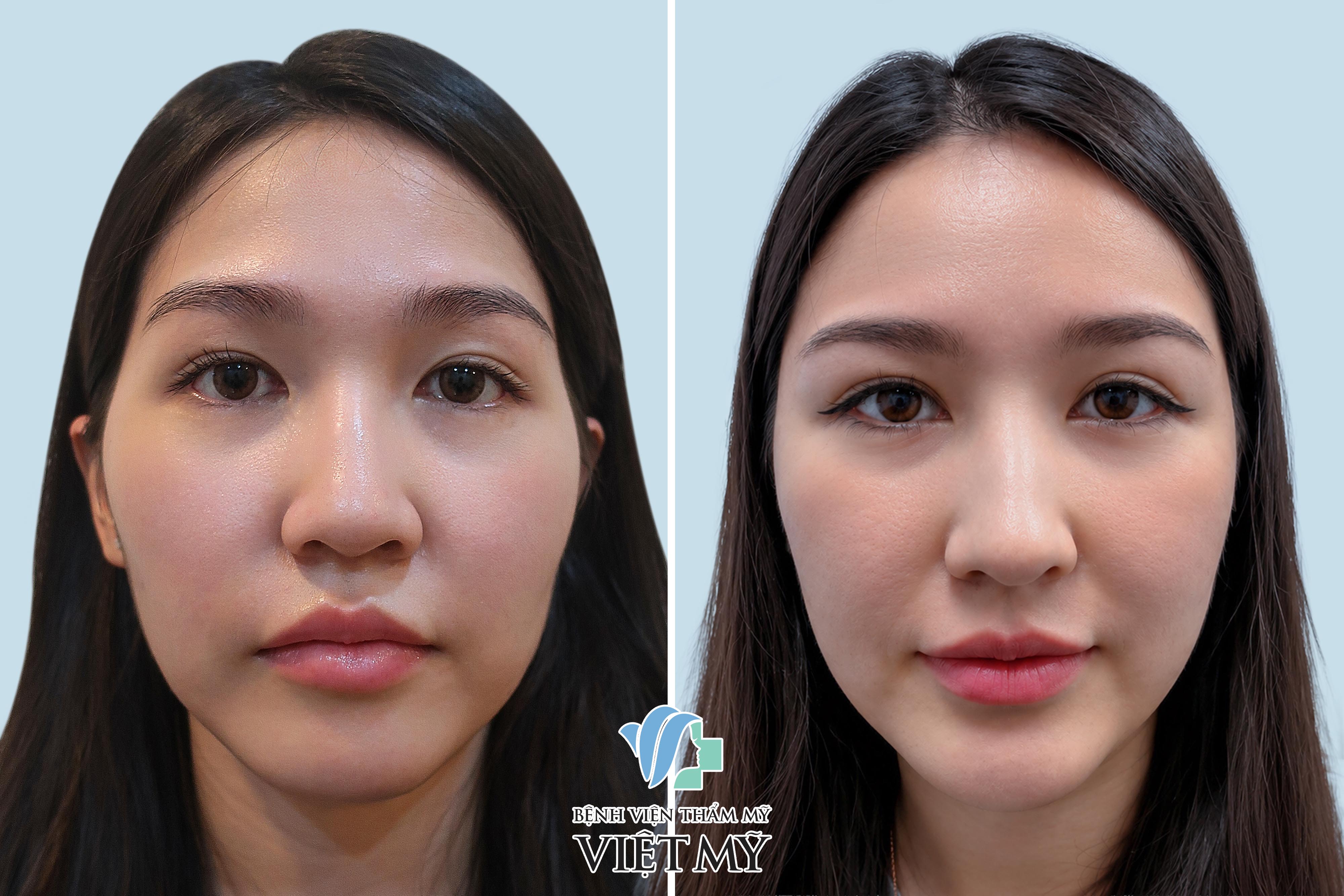
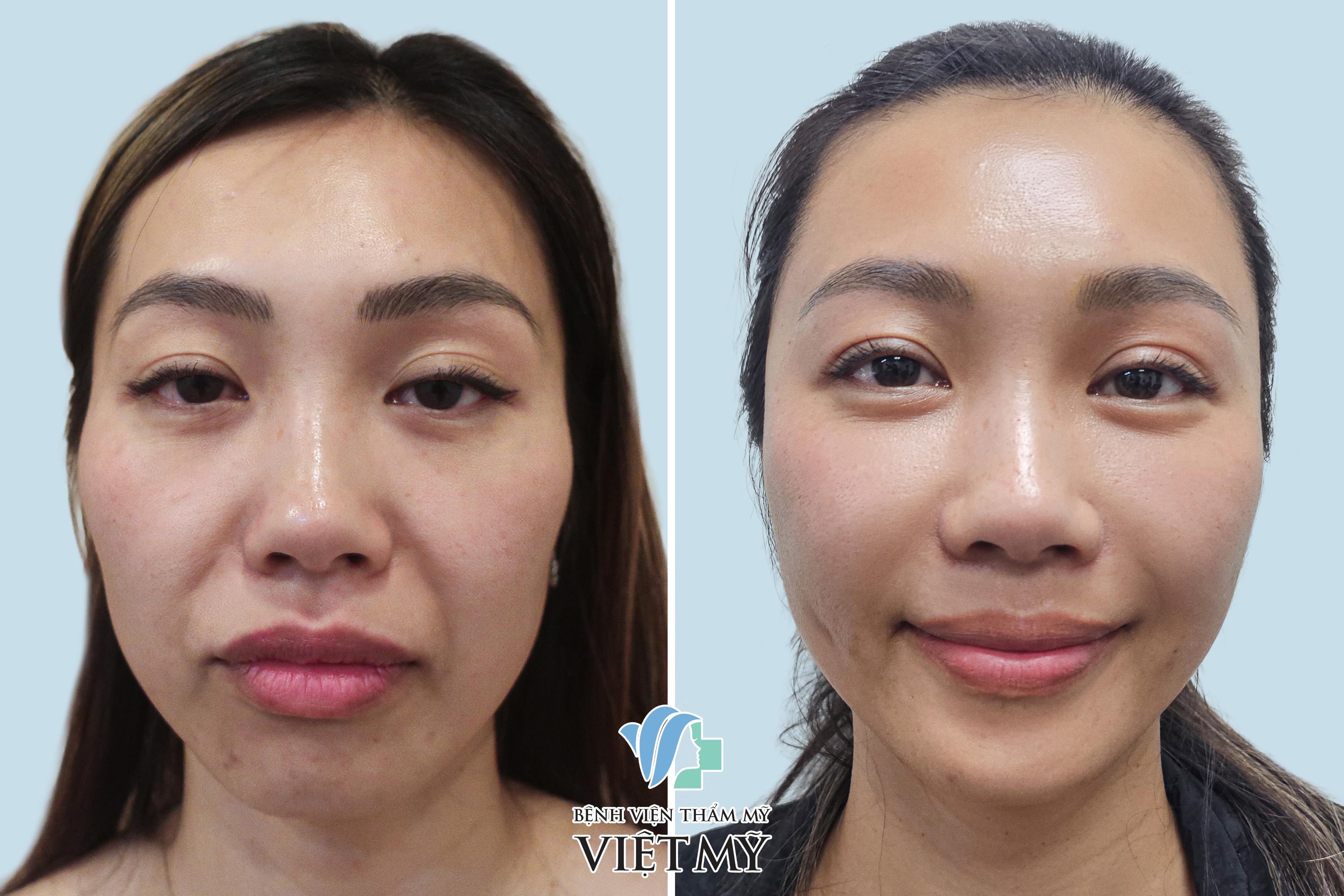
Facial fat grafting is one of the most effective and widely used facial rejuvenation treatments today. This minimal invasive technique uses autologous fat that is carefully harvested, purified, and injected into targeted areas of the face to restore volume and smooth wrinkles.
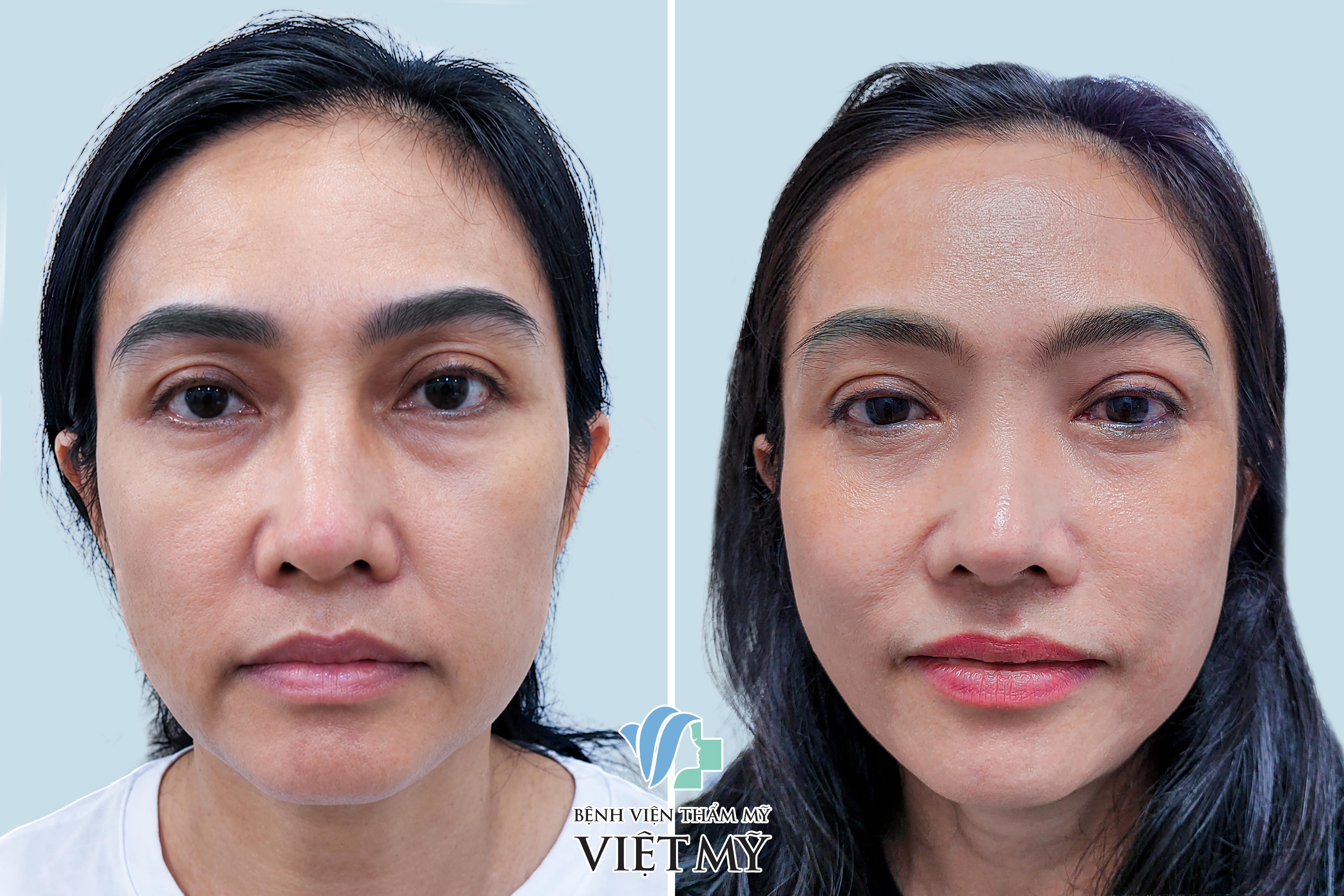
Client before and after undergoing fat grafting to the cheek and temple areas
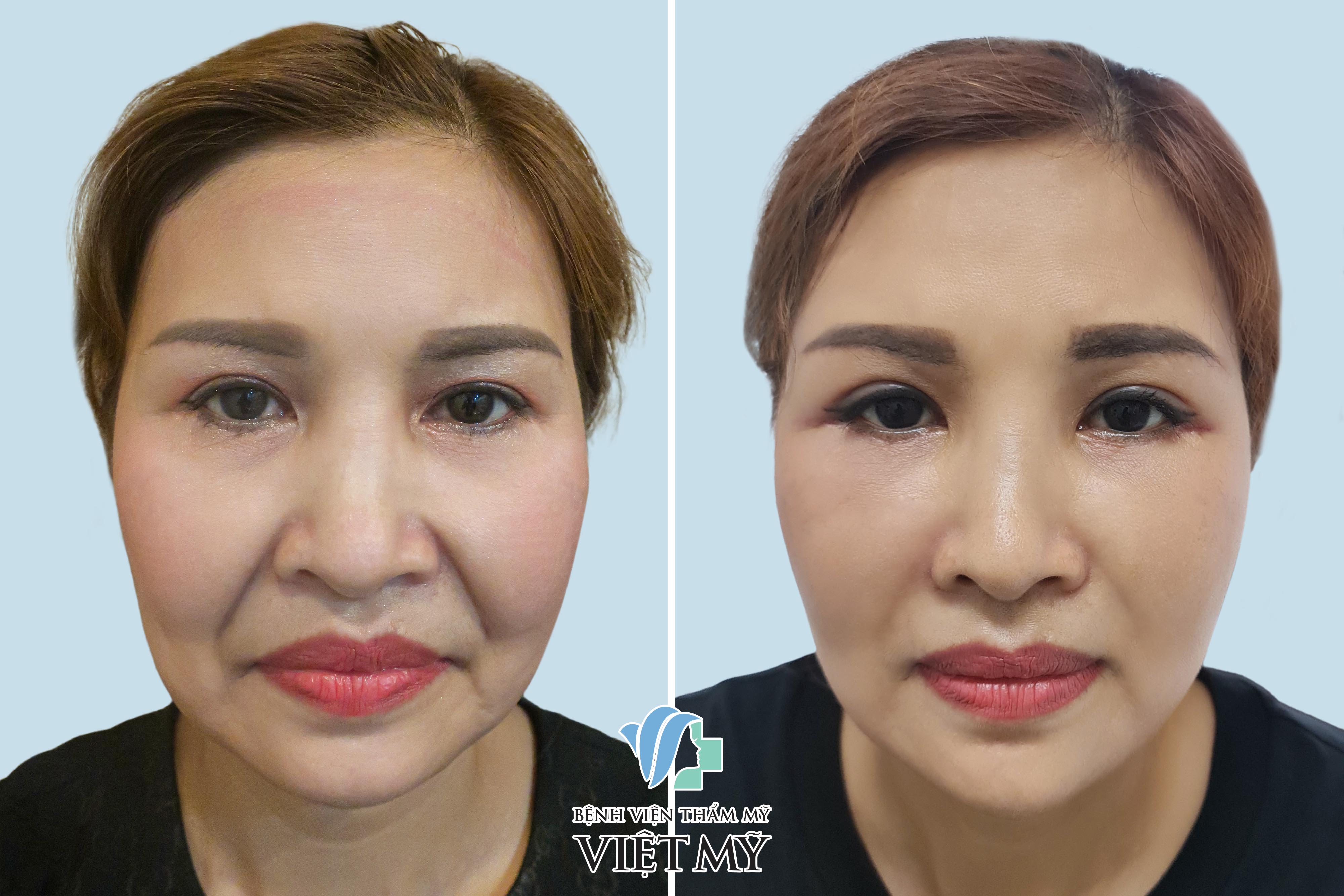
Client before and after undergoing Facial Fat Grafting, alarplasty, rhinoplasty, blepharoplasty, and brow lift.
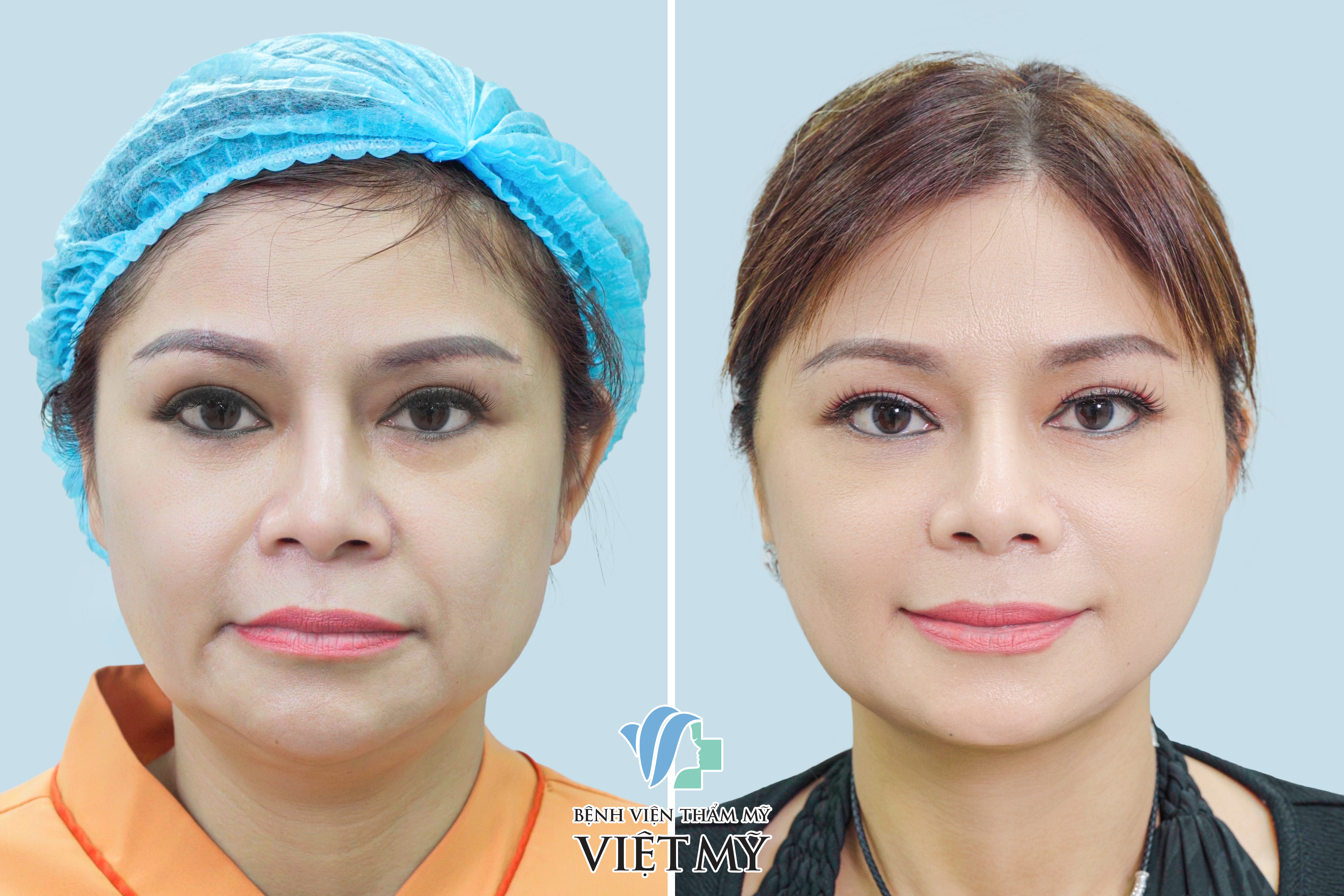
Client 1 month after undergoing Fat Grafting to the temple, midface, and lower eyelid hollows.
Before and after photos of a client who underwent temple augmentation with autologous fat transfer.
Before and after photos of a client who underwent temporal and nasolabial fold filling using autologous fat.
Before and after photos of a client who received orbital fat injection.
Client before and after undergoing the Periorbital Fat Grafting
Before and after photos of a client who underwent nasolabial fold filling with autologous fat.
A client in her 40s underwent rejuvenation combo at Viet My Plastic Surgery Hospital
Understanding the Facial Aging Process
A youthful face is typically characterized by fullness, smooth skin, and firm contours. However, aging leads to gradual structural changes:
Loss of Collagen and Elastin: Reduces skin elasticity and firmness, and causes wrinkles and skin laxity, especially on the forehead, crow’s feet, and nasolabial folds.
Fat Atrophy and Dehydration: Leads to volume loss and hollow appearance, most noticeable in the cheeks, temples, and under-eye areas
Weakening of Muscles and Ligaments: Causes sagging of facial tissues, results in eye bags and loss of jawline definition
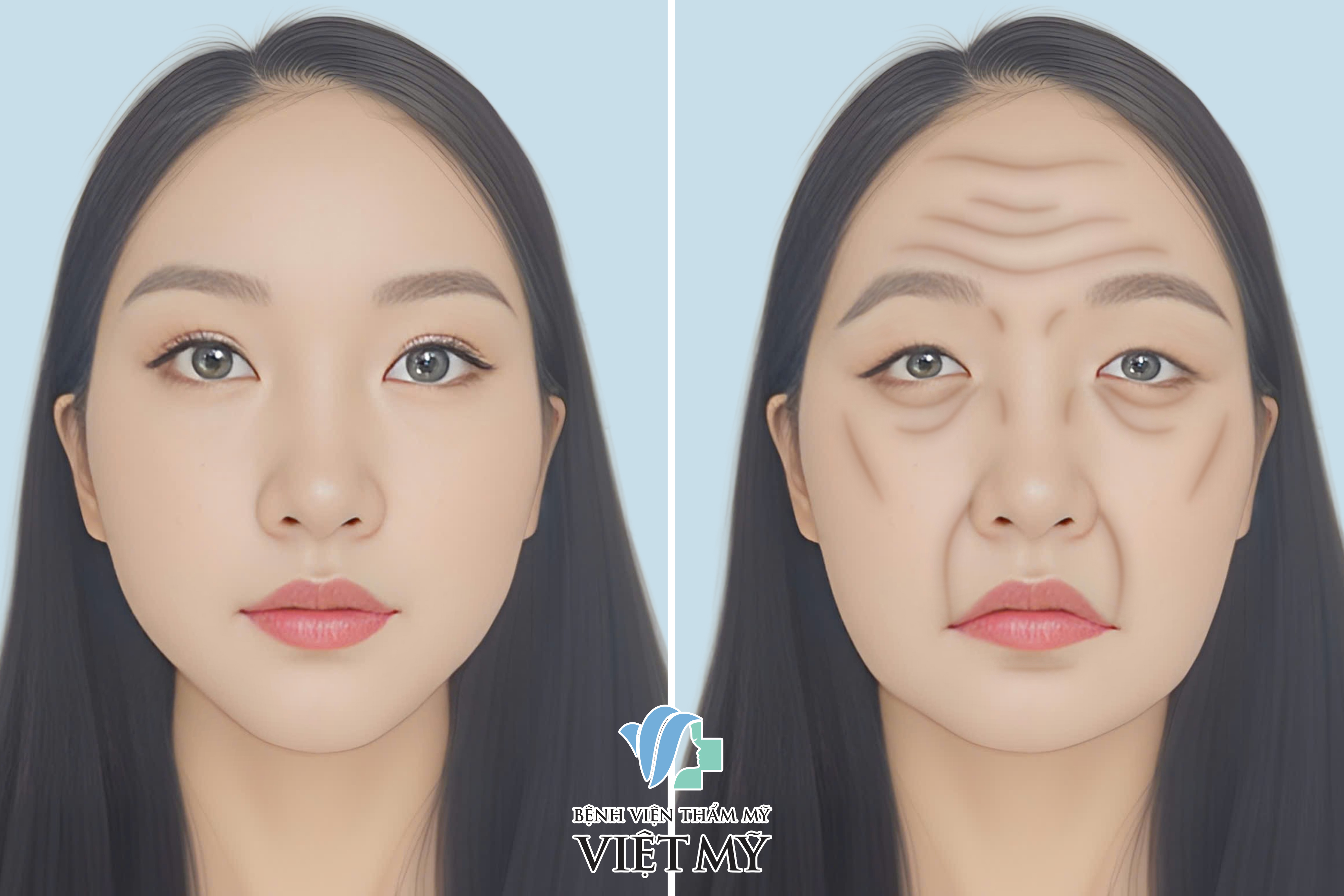
Illustration of the aging process
II. Facial Rejuvenation Approaches
Modern anti-aging treatments can be divided into two main groups:
1. Lifting Procedures: The doctor removes excess skin and tissues, simultaneously lifting and securing them in a more youthful position. For early-stage aging or patients who wish to avoid visible scars, minimally invasive or non-invasive lifting techniques may be applied.
2. Volume Restoration: This approach restores lost volume using fillers, implants, or autologous fat grafting. Among these, autologous fat grafting is considered the superior option, as it uses the patient’s own tissue, providing natural and long-lasting results.
III. Benefits of Facial Fat Grafting
The face contains multiple fat compartments that support underlying structures and define facial contours. Facial fat grafting restores volume by replenishing areas where fat has been depleted with healthy fat cells, effectively reversing visible signs of aging.
Condition
Treatment Area
Volume (per side - cc)
Forehead wrinkles, deep brow lines, sagging skin
Forehead, brows
5 - 20
Hollow and sunken temples
Temples
3 - 15
Glabellar lines, nasal root and skin depressions
Glabella & nose
Depends on area
Deep-set eyes causing dark circles, tear trough deformity
Periorbital area
Upper eyelid: 0.5-2
Lower eyelid: ≤3
Sunken cheeks, prominent cheekbones
Cheeks
5 - 15
Deep nasolabial folds
Nasolabial folds
2 - 4
Thin Lips
Lips
Depend on condition
Recessed chin, undefined jawline
Chin & jawline
3 - 10
IV. Treatment Planning
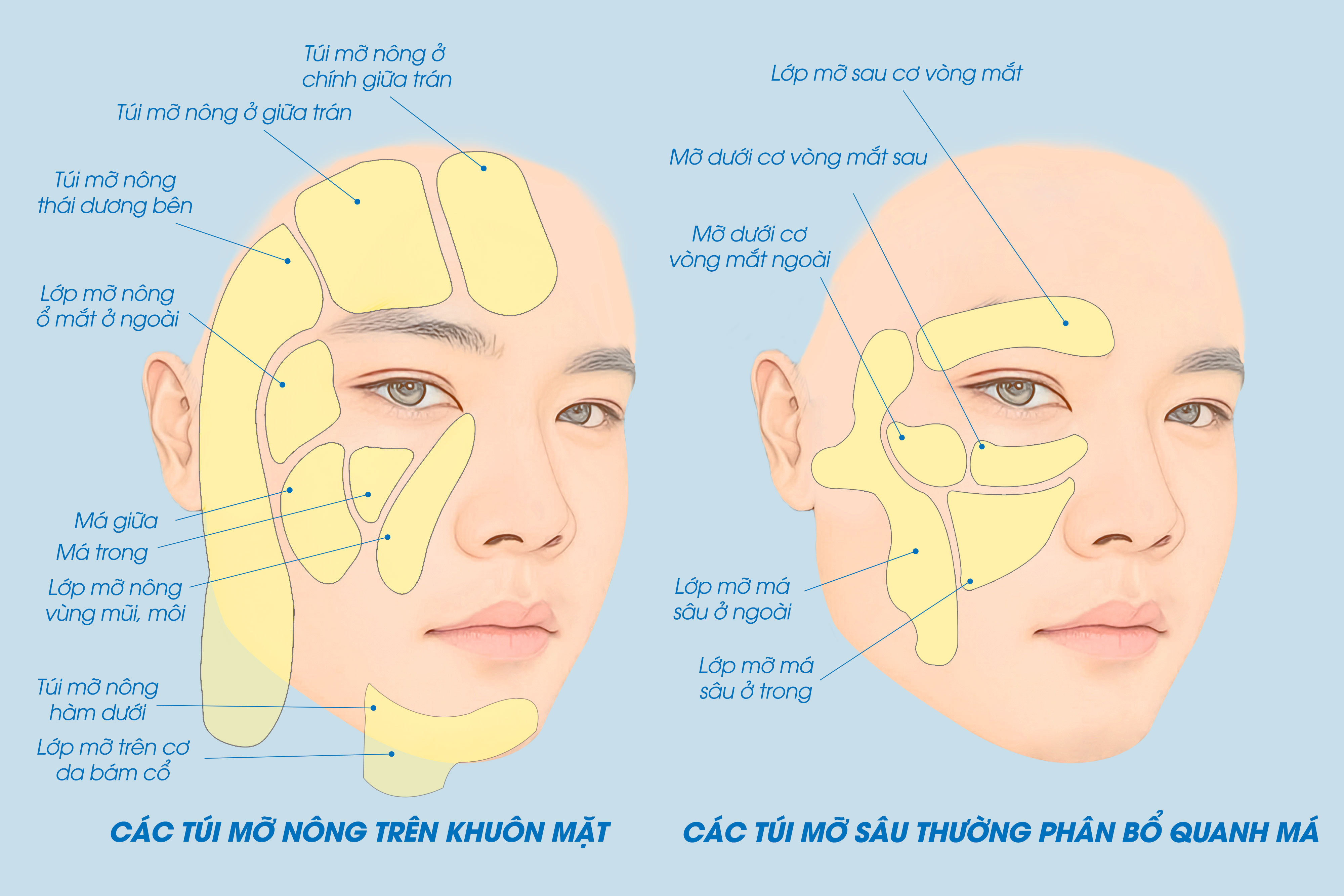
The face consists of two main fat layers: superficial fat (beneath the skin) and deep fat. Each layer plays a distinct role and ages differently. Understanding these layers allows for a more precise and individualized treatment strategy:
- Superficial fat layer: consists of small fat compartments situated just beneath the skin and evenly distributed throughout the face. As aging occurs, depletion of this fat layer, together with reduced collagen and elastin levels, weakens the skin’s outward structural support, while the inward pull of the facial muscles persists. This imbalance leads to the development of deeper wrinkles. Fat grafting into the superficial layer can help improve the nasolabial folds, forehead lines, and brow region. It may also be combined with Botox to decrease muscle activity and further soften dynamic wrinkles.
- Deep fat layer: Located primarily in the cheeks and around the orbital area, providing structural support for the face. When this layer diminishes, the face appears hollow, gaunt, and aged.
Due to the complexity of facial fat compartments, the surgeon must carefully assess the face to determine priority treatment areas and estimate the appropriate volume of fat. This targeted approach ensures optimal aesthetic outcomes while maintaining cost efficiency.
Distribution of facial fat compartments
V. The Procedure of Facial Fat Grafting
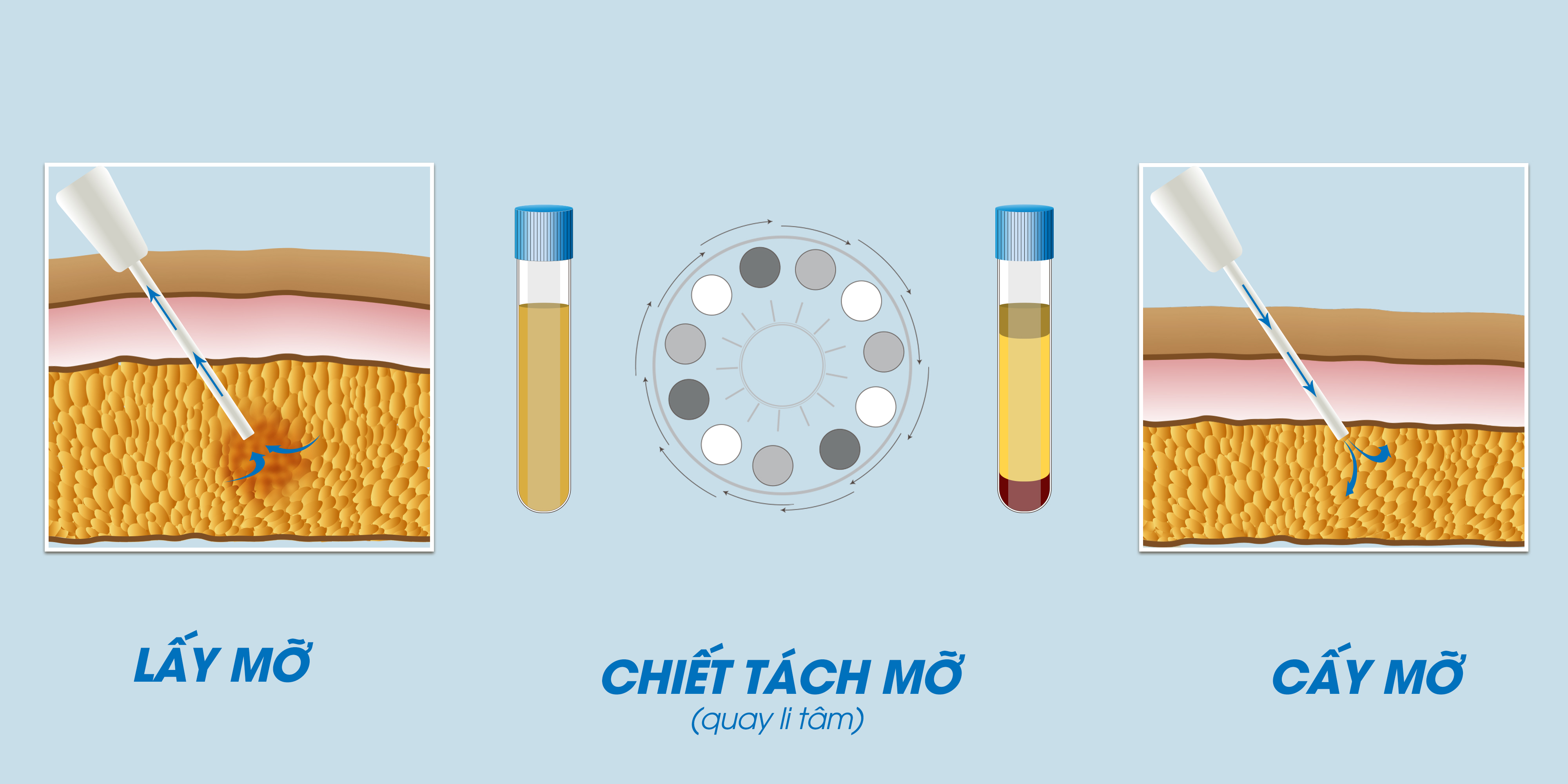
Facial fat grafting is a relatively short procedure, typically lasting around one hour, and can be combined with other procedures such as a facelift or midface lift. This procedure is performed under local anesthesia and includes 3 main steps:
Fat harvesting: Fat is gently extracted using liposuction technique in the abdomen or thighs.
Fat purification: Harvested fat solution is processed to isolate the healthiest fat cells for grafting.
Fat injection: The doctor injects fat into pre-determined facial compartments using precise layering techniques. To enhance fat survival, stem cells, PRP (platelet-rich plasma), or PRF (platelet-rich fibrin) may be combined to improve treatment outcomes.
The procedure of fat grafting
VI. Post-Operative Care and Recovery
To ensure optimal recovery, patients should follow medical instructions carefully:
Maintain a healthy diet and lifestyle; attend all scheduled follow-up appointments
Take prescribed medications (pain relief) as directed
Sleep with your head elevated
Apply cool compresses during the first 48 hours to minimize swelling (avoid excessive cold)
Wear compression garments (24/7, except when showering) for the first 2 weeks to stabilize the graft and support new blood vessel formation.
Risks
Due to the complexity of facial anatomy, potential risks may include:
Injury to blood vessels or nerves
Uneven results due to overcorrection or undercorrection
However, these risks can be significantly minimized when performed by a highly experienced and skilled doctor.
* The result achieved also depends on each individual's physiology.